Ransomware: How to Prevent and Respond to Attacks
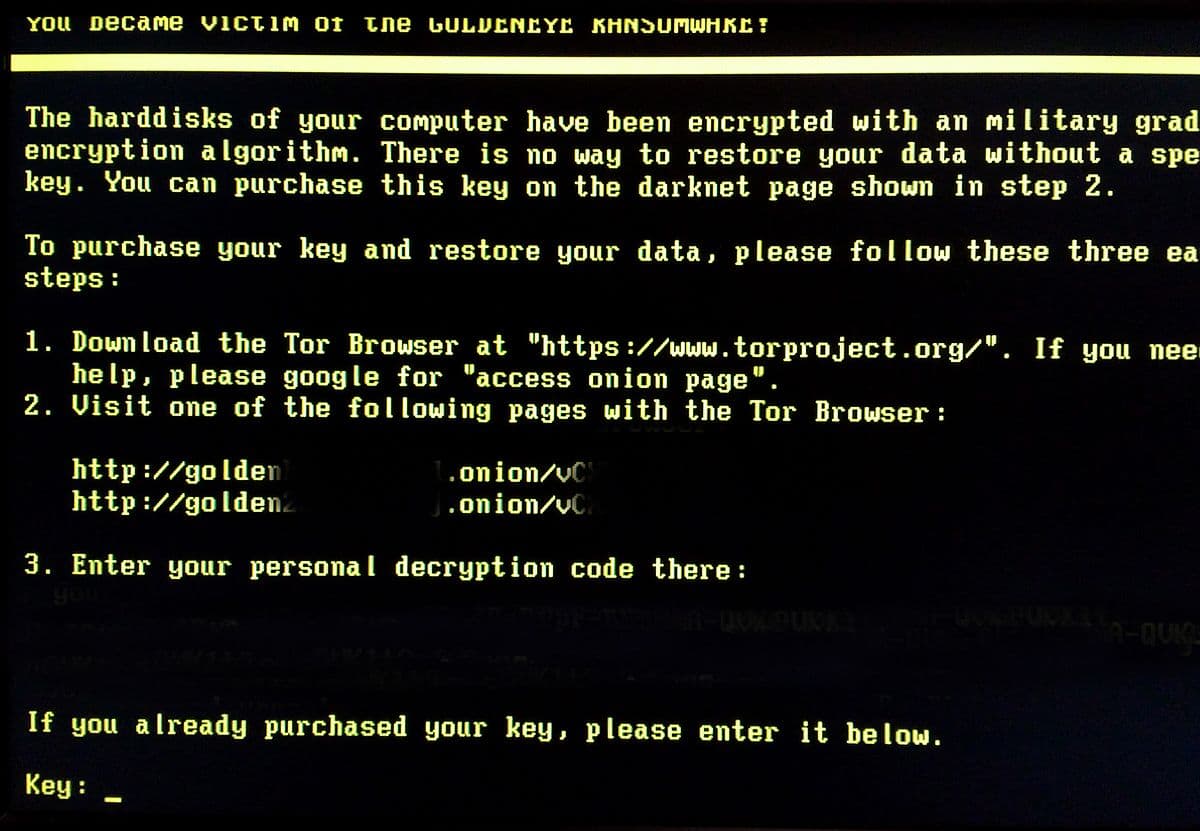
Ransomware remains one of the most devastating threats for organizations of every size. This type of malware encrypts the victim's data and demands a ransom in exchange for the decryption key. In this article, we explore strategies to prevent ransomware attacks and the steps to follow if your organization is affected.
What is ransomware?
Ransomware is a type of malicious software that encrypts the files on the attacked system, making them inaccessible to legitimate users. The attackers then demand a payment (usually in cryptocurrency) in exchange for the key that decrypts the files.
Ransomware attacks usually spread through:
- Phishing emails
- Unpatched security vulnerabilities
- Malicious downloads
- Exposed Remote Desktop (RDP) connections
- Social engineering
Effective prevention measures
1. Keep systems up to date
Security updates are essential to protect against ransomware. Attackers frequently exploit known vulnerabilities for which patches already exist.
# Example command to update Linux systems
sudo apt update && sudo apt upgrade -y

# Check available updates on Windows (PowerShell)
Get-WindowsUpdate
2. Implement effective backups
Backups are the best defense against ransomware. Make sure your backups:
- Run regularly (daily or weekly)
- Are stored offline or on an isolated system
- Are tested periodically to verify their integrity
- Include all critical data
Important: Backups must be disconnected from the network or use systems that prevent unauthorized changes. Otherwise, they could also be encrypted during an attack.
3. Implement network segmentation
Network segmentation limits attackers' lateral movement and can contain the spread of ransomware.

Implement:
- VLANs to separate departments and critical systems
- Internal firewalls between segments
- Access control based on the principle of least privilege
4. Train employees
Employees are the first line of defense. Make sure they are trained to:
- Identify and report phishing emails
- Follow safe web browsing practices
- Avoid downloading and running suspicious files
- Use strong passwords and multi-factor authentication
Ransomware incident response plan
If your organization falls victim to a ransomware attack, it's crucial to act quickly following a structured plan.
Step 1: Isolate the affected systems
Immediately disconnect infected devices from the network to prevent the spread. This may include:
- Unplugging network cables
- Disabling Wi-Fi
- Shutting down uninfected critical systems as a precaution
Step 2: Notify the responsible parties
Report the incident to:
- Your internal incident response team
- Security service providers
- Law enforcement (depending on severity)
- Regulatory agencies (if required for your industry)
Step 3: Identify the scope and variant
Determine which systems are affected and what type of ransomware is involved. Tools such as ID Ransomware can help identify the specific variant.
Step 4: Recovery
Depending on how prepared you are, you have several options:
- Restore from backups (preferred option)
- Use decryption tools (available for some variants)
- Consider paying the ransom (last resort, recovery is not guaranteed)
Step 5: Post-incident analysis
Once the incident is over, perform a thorough analysis:
- Identify the entry vector
- Document lessons learned
- Improve the response plan
- Implement additional controls to prevent future attacks
Considerations about paying ransoms
Paying ransoms is a controversial topic. Keep in mind that:
- There is no guarantee you'll get your data back
- You are funding criminal activities
- You may become a recurring target
- It may be illegal in some countries or contexts
Authorities generally recommend not paying, but each organization must assess its specific situation.
Conclusion
Ransomware keeps evolving and poses a significant threat to any organization. The best strategy combines solid preventive measures with a well-defined response plan.
Remember that investing in security will always cost less than the potential cost of a successful attack, which can include data loss, downtime, reputational damage and legal consequences.
At SIMPLE, we can help you assess your readiness against ransomware and develop prevention strategies tailored to your organization. Contact us for more information.
Tags:
- Ransomware
- Prevention
- Incident Response